Biggs Defends Nurse Practitioners and Rural Health in Letter to Department of Education
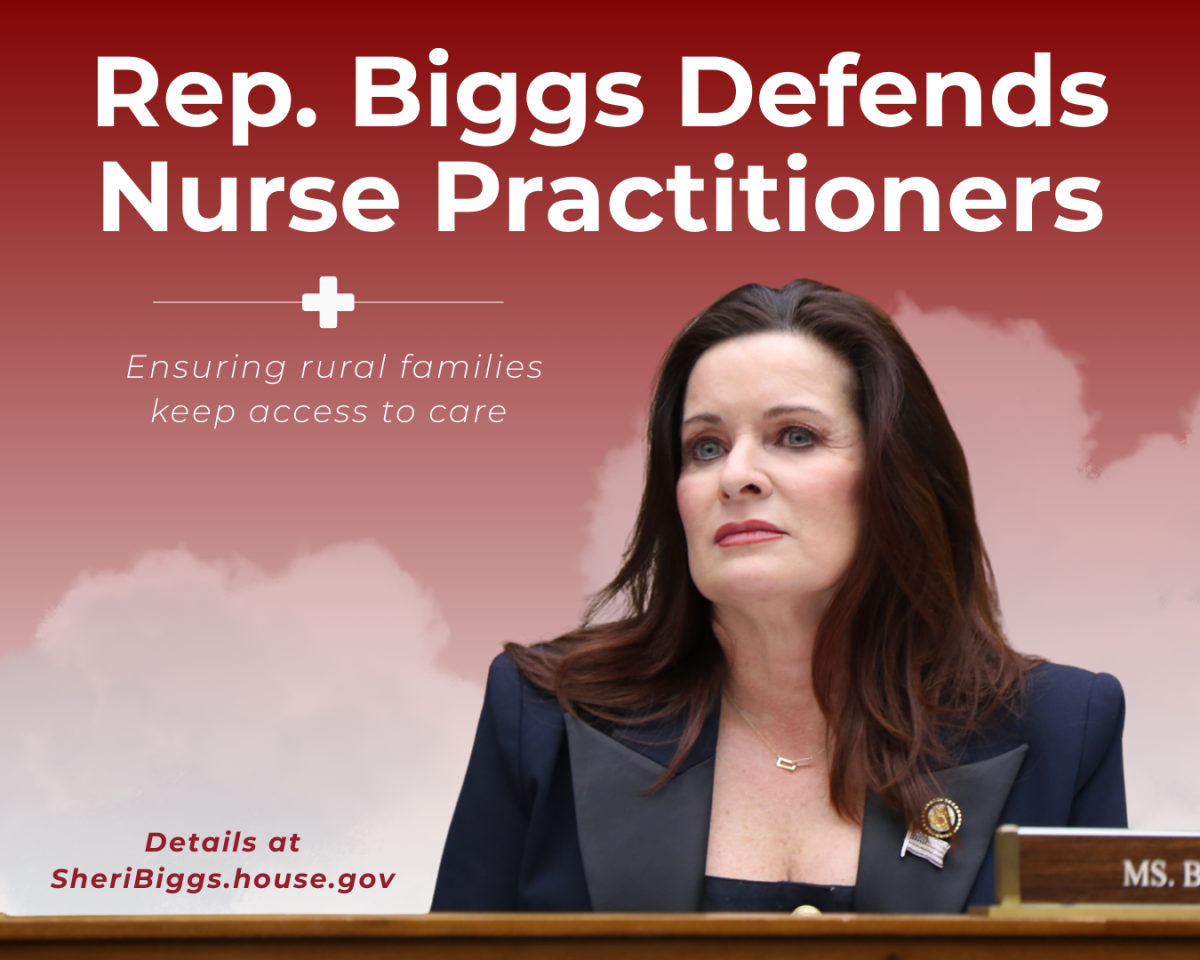
Washington, D.C. – Congresswoman Sheri Biggs (SC-03), who brings over three decades of experience in health care, is urging the Department of Education to fix a proposed rule that could make it harder for future nurse practitioners to afford their education. In a letter to Secretary Linda McMahon, Biggs called on the Department to honor the intent of H.R. 1 and protect access to care in rural communities.
“In rural South Carolina, nurse practitioners are the first, and often only, line of care for families, seniors, and veterans,” said Congresswoman Biggs. "I’m confident President Trump and Secretary McMahon will stand with us to reverse the initial decision and ensure nurse practitioners aren’t left behind.”
As written, the proposed rule would exclude Advanced Practice Registered Nurse (APRN) and Nurse Practitioner (NP) programs from being treated as professional degree programs under federal student loan policy. This interpretation would result in lower loan limits, materially disadvantaging students from pursuing essential health care careers, and diverging from the statutory focus on licensure-based professional education.
Biggs noted that APRN and NP programs are clinically intensive, licensure-qualifying professional programs whose graduates provide advanced care across primary, emergency, and mental health settings – especially in rural and underserved areas. In communities across South Carolina’s Third District, APRNs and NPs often serve as the only accessible health care providers. At a time when the nation is facing a growing nursing shortage, one that sharply intensified after 2020, protecting access to these programs is essential. The financial viability of these educational pathways is directly tied to patient access and community health outcomes.
The proposed rule also reverses longstanding definitions by narrowing what qualifies as a “professional degree.” Congress intentionally relied on an established regulatory definition that recognized programs preparing students for licensed professional practice. The new rule, however, converts what was previously a non-exhaustive list of examples into an exclusive list, thereby excluding APRNs and others who clearly meet the criteria.
Biggs emphasized that this shift is out of step with President Trump’s America First agenda and his administration’s historic efforts to support nurse practitioners. She pointed to Executive Order 13890 and the Rural Health Transformation Program as clear examples of efforts to remove barriers for advanced practice providers. The Department of Education’s proposed rule marks a significant break from that approach.
Biggs is calling on the Department to revise its regulatory interpretation and treat APRN and NP programs as professional degree programs under federal law. This correction would honor congressional intent, support professional workforce development, and protect health care access for rural communities.